

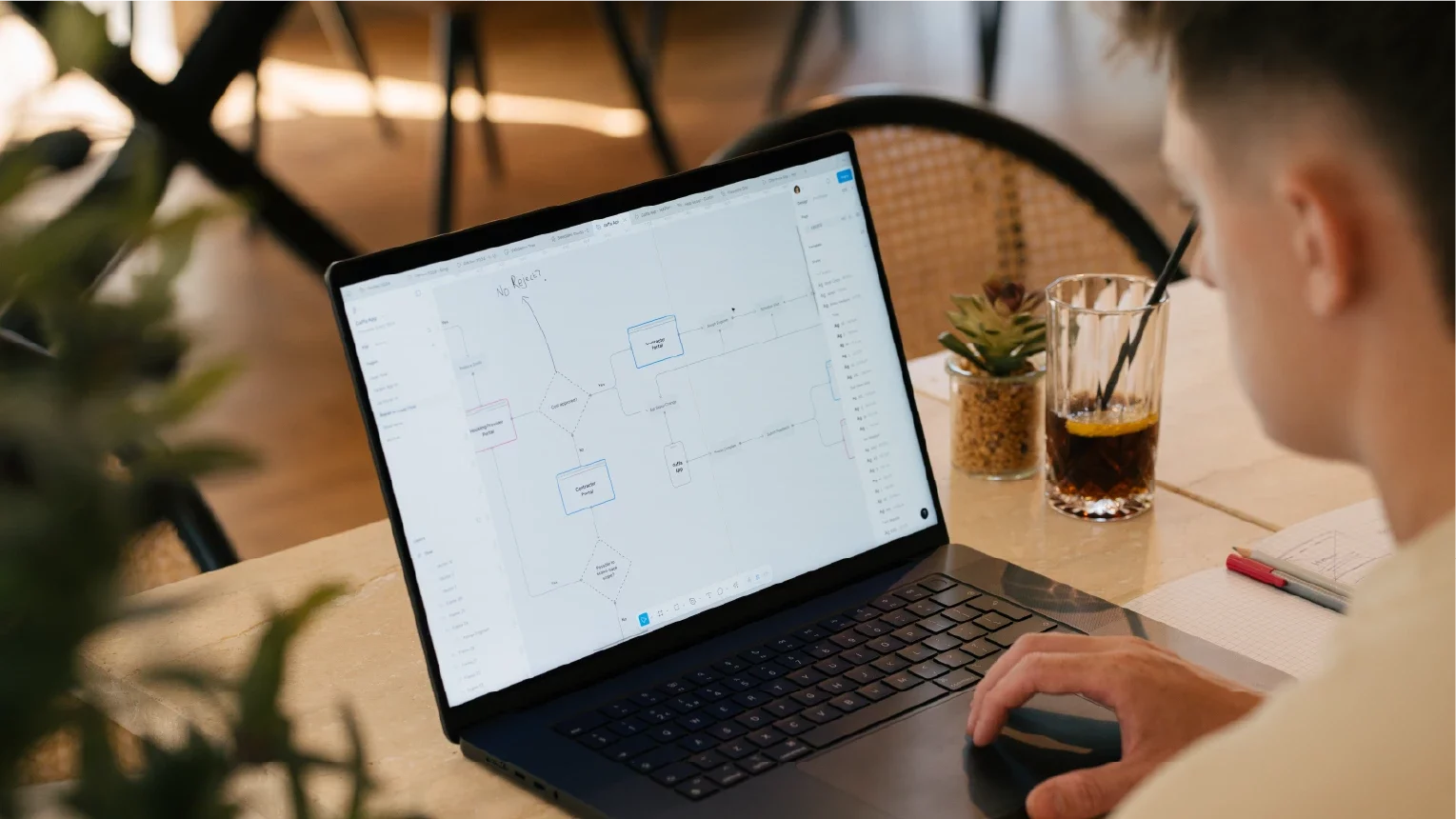
Vibe coding feels magical, doesn’t it?
That feeling of total control –typing a prompt and watching a product appear– is addictive. We’ve never had this much power at our fingertips to design and build whatever we want. What wonderful times we’re living in.
Well… yeah. But every hype cycle, and every shiny new tool, needs a reality check. So let’s do one.
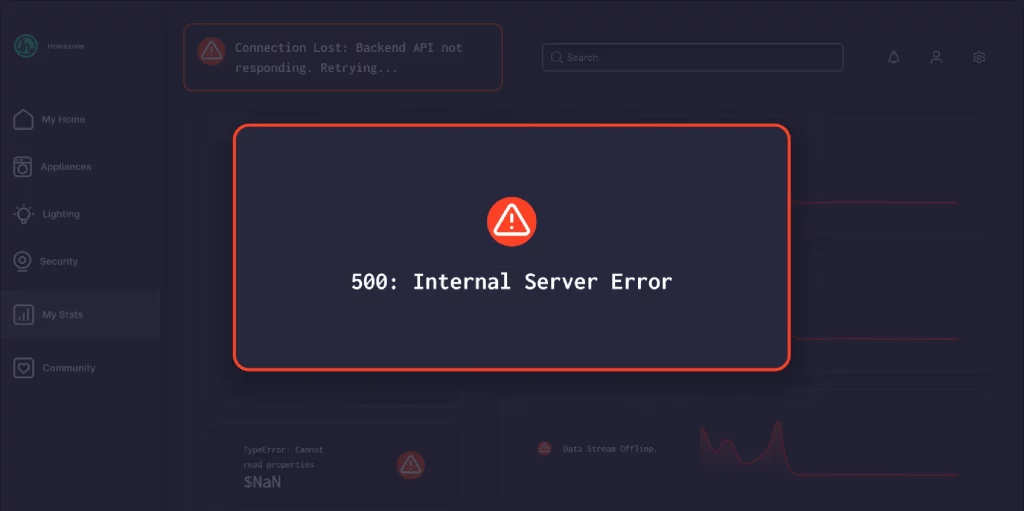
The hype vs. the reality
The hype: “Build anything –enterprise tools, consumer apps, platforms– from a single prompt.”
The reality: You can build the product. You can’t “vibe” the architecture. Enterprise-ready requires a level of security, scalability, and technical governance that a prompt alone can’t guarantee. “Anything” doesn’t mean “anything that holds up.”
The hype: “Build anything, for any reason, in any style, at any scale.”
The reality: It’s like building a skyscraper out of Jenga blocks. It looks incredible, until you try to put a thousand people in it.
The hype: “AI models have become incredibly good at producing functional code in seconds.”
The reality: Speed isn’t the same as security. Research shows the security quality of AI-generated code hasn’t meaningfully improved as models have gotten bigger, larger models aren’t actually any better at writing *secure* code than smaller ones.
The hype: “Developers are obsolete. Anyone with a prompt can manage a complex software roadmap indefinitely.”
The reality: Projects become unmanageable fast when complex architectural decisions are left to AI, the problems just show up a few months later than they used to. Vibe coding is a superpower for speed. It isn’t a strategy for stability.
We’re not haters. We just want founders using the right tools, with the right frame of mind.
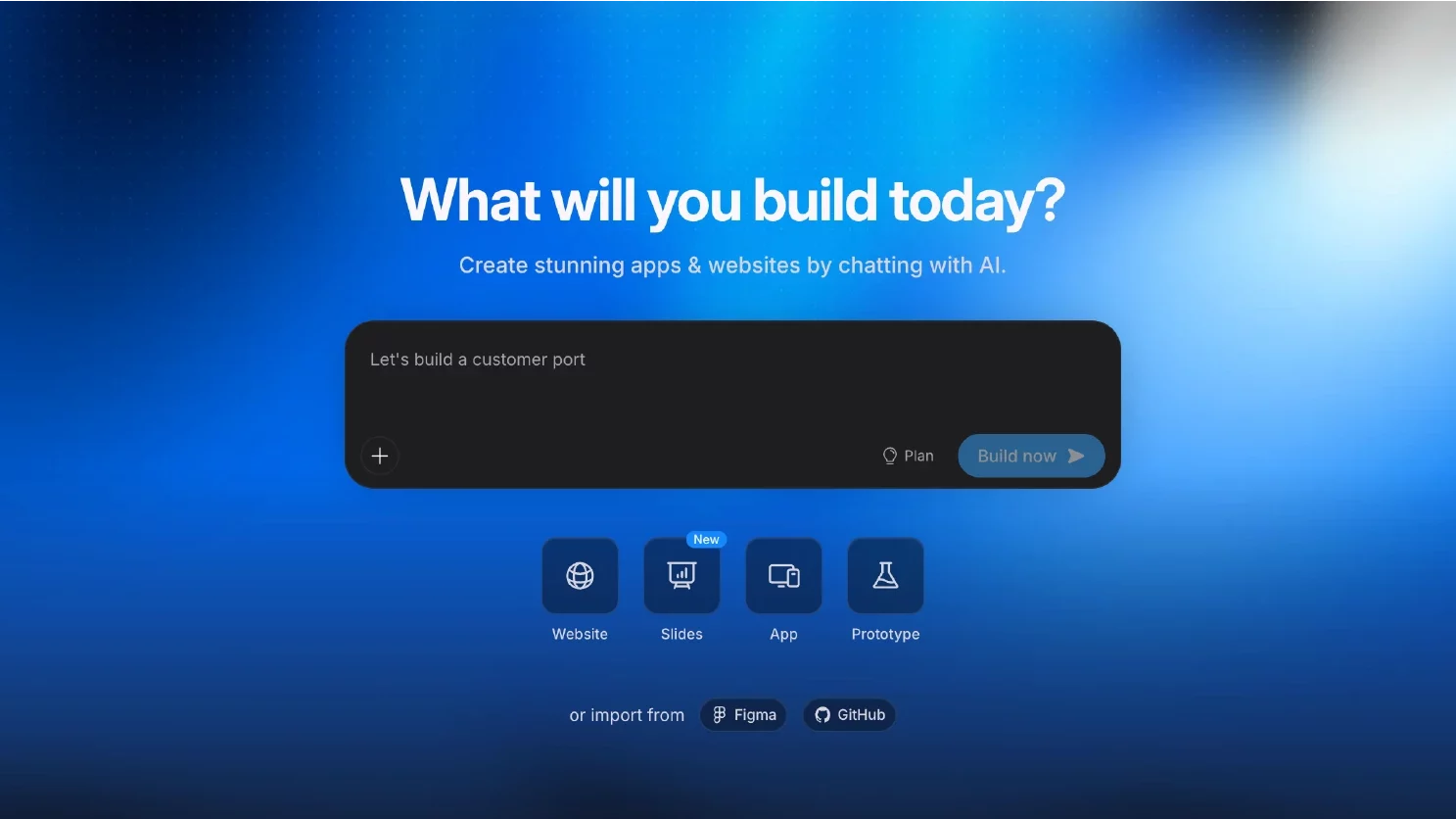
Where vibe coding actually earns its place
As a founder, the ability to move fast and cheap is golden and we’re not here to talk you out of that. There are real, smart use cases for vibe coding:
1. Validating an idea with a one-pager or clickable prototype
2. Contextualising complex ideas for your team or stakeholders
3. Rapid user testing before committing real budget
4. Pitching to investors when you don’t have a dev team yet
Use these tools to explore, prototype, and find your feet. That’s exactly what they’re built for.
Where it starts to break
The trouble starts when a prototype slowly becomes “the product.” No one decided that on purpose, it just happened, sprint by sprint, prompt by prompt. And that’s the moment we tend to hear from founders: something’s slow, something’s broken, something doesn’t scale, and nobody can quite explain why.
This is usually where the real work begins, not throwing the product away, but going under the hood. Auditing the architecture. Finding out what was actually built versus what was assumed. Making the calls on security, scalability, and technical governance that a prompt was never going to make for you.
How we think about AI (and where we draw the line)
We use AI constantly — Cursor, Gemini, and a handful of other tools are woven into how we work across strategy, development, and research. We’re not resistant to it. But we’re deliberate about it, and that’s the word that matters.
There’s a version of AI adoption that’s all about faster, cheaper, done. And there’s a version that asks ‘what is this actually for, and where does it earn its place?’ We’re firmly in the second camp, which is also why we have a short list of things we simply don’t do with AI:
– Feed data-harvesting trends. A fun avatar isn’t worth giving away data ownership.
– Put client details into prompts. Confidentiality and trust come first.
– Surrender control to autonomous agents. We keep our hands on our own apps and emails.
– Accept outputs blindly. Critical thinking and human scrutiny still matter, always.
– Outsource complete design work. Websites, workshops, and end-to-end user experience need human nuance, empathy, and real strategy.
Technology should support our work, not dilute our standards. And crucially: everything we build starts with understanding the real problem and the real people we’re designing for. The tech, the features, and the AI (or lack of it) come out of that thinking, not the other way round.
What “next stage” looks like with Seedable
If you’ve vibe-coded your way to a working prototype, congratulations, genuinely. That’s real progress, and it’s exactly what these tools are for. But if you’re starting to feel the cracks, a codebase nobody quite understands, a scaling ceiling, a “just one more fix” that never ends that’s usually the sign you’re ready for the next stage.
That’s where we come in. At Seedable Studio, we help founders take a validated idea or a vibe-coded MVP and turn it into something built to last: auditing what exists, making the architecture and security decisions AI can’t make for you, and building a product strategy that puts your users –not the tool– at the centre.
We don’t believe in AI for AI’s sake, and we don’t believe in throwing your prototype away either. We believe in asking the right questions, at the right time, with real human expertise behind the answers.
Got a vibe-coded product that’s ready to grow up? Let’s talk.